

The transition into your 50s often marks a significant shift in how your body interacts with the food you eat. For decades, many men rely on a “work first, eat later” mentality, using caffeine to bridge energy gaps and high-calorie convenience to end the day. However, as the years accumulate, the margin for nutritional error narrows. Metabolism shifts, muscle mass becomes harder to retain, and the body’s ability to process carbohydrates changes.
Nutrition is the absolute backbone of health and performance after 50. You can train with intensity in the gym, but without a precise fueling strategy, your recovery will stall, your energy will fluctuate, and fat loss will feel increasingly difficult. For the professional navigating a demanding schedule, the challenge isn’t usually a lack of information—it is the lack of a sustainable, repeatable system that turns nutritional science into daily action.
Here we’ll go beyond generic health tips and lay out a targeted, high-performance framework built specifically for the physiological needs of men over 50.
The Biological Pivot: Combating Sarcopenia and Anabolic Resistance
Before building an effective nutrition plan, it’s important to understand the physiological shifts happening beneath the surface. One of the most significant challenges for men in their 50s is sarcopenia — the gradual loss of muscle mass and strength. Muscle isn’t just about appearance; it’s the body’s primary metabolic engine. It plays a central role in regulating blood sugar, protecting your joints, and maintaining a healthy resting metabolic rate.
Research by Paddon-Jones and Rasmussen, published in the American Journal of Clinical Nutrition (2009), underscores that protein needs actually increase as we age. This is due to anabolic resistance, a condition where the muscles become less responsive to the amino acids required for repair. To overcome this, the “threshold” of protein required at each meal must be higher than it was in your 30s.
Simply hitting a daily protein total is no longer enough. What matters just as much is how that protein is distributed throughout the day. To stimulate muscle protein synthesis (MPS), each meal needs to reach the “leucine threshold” — the amount of leucine required to activate the muscle-building process. If you take in 100 grams of protein at dinner but only manage 10 grams at breakfast, your muscles spend the first half of the day without the signal they need to repair and grow, leaving you in a prolonged state of breakdown.
The Protein Blueprint: Precision Over Procrastination
For most men over 50, the target is 25–40 g of protein per meal, spaced evenly throughout the day. This provides a steady stream of amino acids to repair tissue and maintain your metabolic rate.
Example Protein Distribution for a 190 lb, 6 ft Man
If you are currently carrying a high level of responsibility and physical demand, your daily intake should look similar to this structure:
- Breakfast (The Metabolic Reset): 3 whole eggs + 2 egg whites + 1 cup spinach.
Total: ~27 g protein.
Why: Starting with eggs provides high-quality protein and choline, which is vital for cognitive function and focus during your first working hours. It prevents the mid-morning insulin spike often caused by cereal or toast. - Lunch (The Mid-Day Performance Fuel): 6 oz grilled salmon + 1 cup quinoa + 2 cups roasted vegetables.
Total: ~35g protein.
Why: Salmon provides Omega-3 fatty acids to combat systemic inflammation, while quinoa provides a low-glycemic carbohydrate source to prevent the late-afternoon energy dip. - Dinner (The Recovery Anchor): 6 oz chicken breast or lean steak + 1 cup brown rice + 2 cups broccoli.
Total: ~40g protein.
Why: This larger hit of protein supports the overnight repair process when your body naturally secretes growth hormones. Lean red meat once or twice a week also provides zinc and iron, which support testosterone production. - Optional Snack (The Bridge): 1 cup Greek yogurt + 10 almonds.
Total: ~15g protein.
Why: Greek yogurt is rich in casein, a slow-digesting protein that ensures your body has a “trickle” of amino acids during the long gap between lunch and dinner.
Daily Macro Targets
To maintain muscle mass and fuel high-intensity resistance training, aim for these daily metrics:
| Macronutrient | Targeted Daily Amount | Role in 50+ Performance |
|---|---|---|
| Calories | ~2,500 kcal | Baseline energy for maintenance and recovery. |
| Protein | 160–170 g | Counteracts sarcopenia and repairs muscle tissue. |
| Carbohydrates | 180–200 g | Fuels high-intensity training and brain function. |
| Fat | 80–90 g | Essential for testosterone and hormone production. |
The Carbohydrate Curve: Managing Insulin Sensitivity
As we get older, the body’s ability to switch efficiently between burning fats and burning carbohydrates — known as “metabolic flexibility” — tends to decline. This makes the quality of the carbs we eat increasingly important. Highly refined, sugary carbohydrates create sharp spikes in insulin, and when this happens repeatedly, the body becomes more prone to storing fat, especially around the midsection.
To support a leaner physique and more stable energy throughout the day, prioritize complex carbohydrates with a lower glycemic impact. These provide a slow release of glucose into the bloodstream, avoiding the “sugar crashes” that lead to mental fatigue.
Prioritize: Sweet potatoes, quinoa, brown rice, steel-cut oats, and legumes.
- The “Carb-Timing” Rule: Aim to consume the majority of your daily carbohydrates in the meals surrounding your workout. This ensures the glucose is driven into the muscle cells for fuel (restoring glycogen) rather than being stored as body fat.
- Fiber as a Buffer: Fiber is essential for digestive health and hormone regulation. Aim for 30–35 g of fiber daily. It slows the absorption of sugar and helps keep you full, which is critical when trying to maintain weight in a sedentary office environment.
Healthy Fats and Hormonal Health
After 50, your body’s production of testosterone is more sensitive to your fat intake. Since testosterone is made from cholesterol, going too low-fat can tank your hormone levels. The key isn’t just eating fat — it’s making sure you’re getting the right kinds.
Focus on monounsaturated and Omega-3 fats to support heart health and reduce joint inflammation.
- Monounsaturated: Avocados, extra virgin olive oil, and almonds.
- Omega-3: Fatty fish (salmon, sardines), walnuts, and chia seeds.
- Saturated Fats: Lean red meat and whole eggs are acceptable in moderation, as they provide the building blocks for steroid hormones. Avoid trans fats and heavily processed seed oils (like soybean or corn oil) which can promote inflammation.
Meal Prep: The Professional’s Executive System
The biggest thing that derails most people’s nutrition isn’t hunger — it’s the decision fatigue that hits around mid-afternoon. When you don’t have a plan, you’re stuck relying on willpower, and that runs out fast. A 2017 study in the International Journal of Behavioral Nutrition even found that people who planned their meals ate healthier overall and had much lower obesity rates.
For a busy professional, the goal isn’t to become a gourmet chef; it is to create an assembly system.
The Sunday "Batch and Assemble" Protocol
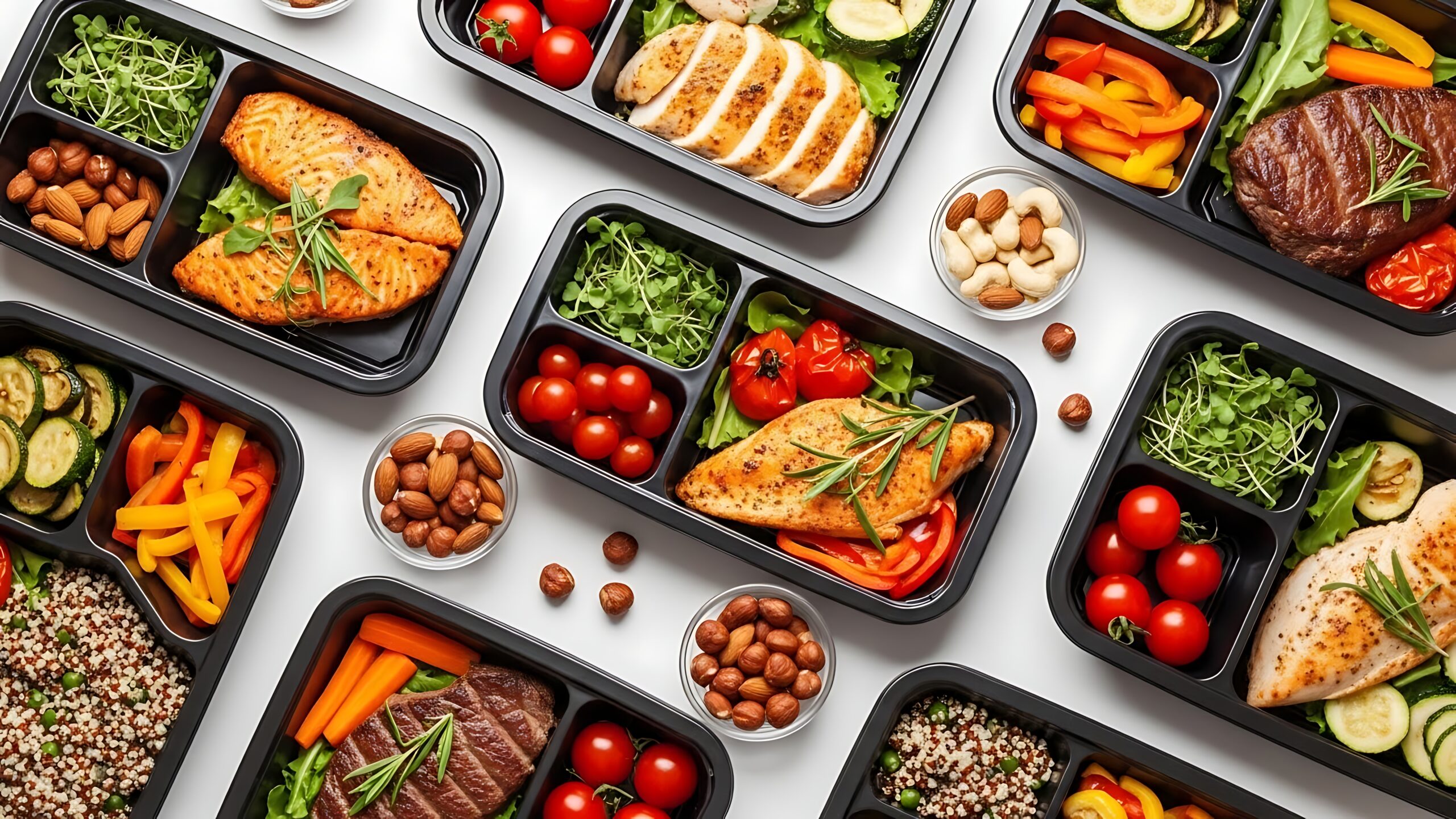
Dedicate 90 minutes once or twice a week to prepare your core ingredients. This allows you to “assemble” a high-performance meal in under five minutes.
- Proteins (The Anchor):
- Grill 2 lbs of chicken breast.
- Bake 2 lbs of salmon or cod.
- Cook 1 lb of lean grass-fed beef.
- Strategy: Season them differently so you don’t get bored. Use lemon-herb for chicken and a simple salt/pepper rub for beef.
- Carbohydrates (The Energy):
- Batch-cook a large pot of quinoa or brown rice.
- Roast 2-3 large sweet potatoes, cubed.
- Strategy: These store perfectly for 4–5 days and can be added to any bowl or salad.
- Vegetables (The Micronutrients):
- Roast a massive tray of broccoli, bell peppers, and zucchini.
- Buy pre-washed bags of spinach or arugula for quick additions to any meal.
- Strategy: Vegetables provide the magnesium and potassium necessary for muscle contraction and blood pressure regulation.
- The Grab-and-Go Snack Kit:
- Hard-boil 6–8 eggs.
- Portion out 1 oz servings of raw almonds or walnuts.
- Ensure Greek yogurt containers are accessible.
With these components ready, your workday lunch is no longer a source of stress. You grab a container, add 6 oz of protein, a scoop of carbs, and two handfuls of greens. This system removes the need for willpower and ensures your macros remain on track even during the most demanding weeks.
Strategic Nutrition for Travel and Dining Out
If your career requires frequent travel or client dinners, you need a set of “default rules” to navigate menus without derailing your progress.
- The “Protein-First” Rule: When ordering, identify the lean protein source first (steak, fish, grilled chicken). Ensure it is the centerpiece of the plate.
- The “Double Green” Swap: Most restaurants default to fries or mashed potatoes. Always ask for a double serving of seasonal vegetables or a side salad instead.
- Beware of Liquid Calories: Salad dressings, sauces, and oils used in commercial kitchens can add 400–600 hidden calories to a single meal. Ask for sauces and dressings on the side.
- Navigating the Steakhouse: A lean filet or sirloin is an excellent choice. Avoid the heavy butter toppings and the “family style” sides like macaroni and cheese or creamed spinach.
- The “One-Drink” Limit: Alcohol is a triple-threat after 50: it provides empty calories, it slows down fat oxidation, and it significantly disrupts sleep quality. If you are drinking during a business dinner, stick to one serving and follow it with a large glass of water.
Hydration and Cognitive Edge
Dehydration is often mistaken for hunger or general fatigue. For the professional over 50, hydration is essential for maintaining “brain fog” prevention and joint lubrication. Even a 2% drop in hydration can lead to measurable declines in focus and physical power.
- Target: 2–3 liters of water per day.
- The Morning Ritual: Drink 16 oz of water immediately upon waking. You have been fasting and dehydrating for 7-8 hours; your brain needs immediate fluid to function.
- Electrolytes: If you are training hard, consider adding a pinch of sea salt or an electrolyte powder to your water to ensure proper cellular hydration. Magnesium, in particular, helps prevent the muscle cramps that often occur with age.
- Green Tea and Coffee: These are excellent for focus and contain antioxidants like EGCG, but they should not replace pure water. Limit caffeine intake to before 2 PM to protect your sleep cycle.
Micronutrients: The "Support Staff" of Aging
While macros (protein, carbs, fats) are the heavy hitters, micronutrients ensure the machinery runs smoothly.
- Vitamin D: Critical for calcium absorption and testosterone production. Many professionals spend the majority of their time indoors and are chronically deficient.
- Magnesium: Involved in over 300 biochemical reactions, including energy production and protein synthesis. It also helps improve sleep quality when taken in the evening.
- Calcium: Essential for bone density, which becomes a priority as we age to prevent fractures and maintain structural integrity.
Your 7-Day Action Plan
To transition from theory to practice, follow this specific checklist for the coming week:
- Calculate Your Baseline: Use the 190 lb example above to adjust your portions. Ensure every meal has at least 25–30 g of protein.
- Sunday Prep: Spend 90 minutes preparing your chicken, quinoa, and roasted vegetables.
- Audit Your Fluid Intake: Keep a 1-liter bottle at your desk. Finish and refill it at least twice during the workday.
- Fiber Check: Add one serving of green vegetables to every meal. Fiber is essential for digestive health and hormone regulation.
- Refine Your Snacks: Remove processed snacks (chips, crackers) from your environment. Replace them with boiled eggs, nuts, or Greek yogurt.
- Sleep Support: Limit alcohol and caffeine late in the day to ensure you reach the deep sleep stages necessary for recovery.
- Monitor Energy Levels: Pay attention to your focus at 3 PM. If you feel a crash, ensure your lunch includes more protein and slow-digesting carbs.
The Key Takeaway
Nutrition after 50 isn’t about extreme diets or chasing whatever trend is hot this month. It’s about creating a simple, repeatable system that works with your changing biology. When you spread your protein through the day to fight muscle loss, keep your carbs in check to support insulin sensitivity, and use batch-prep to stay consistent, you’re giving your body what it needs to stay strong, lean, and energized.
And honestly, a demanding career shouldn’t mean sacrificing your health. With the right system in place, your nutrition becomes fuel for your success — not another chore on your plate. It’s the small, consistent choices you make every day that build the long-term vitality of a truly “Fit Over 50” man.
Take the Next Step
If you want a simple, time-efficient nutrition strategy tailored to your weight, goals, and demanding schedule, I can help you build the exact system you need.
Would you like to book a consultation to create a personalized eating plan that fuels your specific professional and fitness goals?