

The Quiet Shift: Recognizing the Change in Your 50s
As many men enter their 50s, a noticeable shift often appears beneath what is otherwise a period of peak personal and professional confidence.
Workouts may feel a little tougher than they once did. Extra weight around the midsection seems more reluctant to leave. Your overall energy might not be as consistent, and your interest in intimacy may not show up with the same reliability. The confidence and drive are still there, but the physical momentum behind them can feel diminished.
If any of that sounds familiar, you’re not alone. For many men, these changes trace back to a single hormone that plays a central role in strength, vitality, and motivation: testosterone.
The truth is, this hormone naturally decreases as we age. Scientific research, including the foundational work by Harman et al. in the Journal of Clinical Endocrinology & Metabolism (2001), confirms that men typically see a gradual dip of about 1% per year after age 30. By the time you reach 50, that accumulated decline can really make itself known. We might feel debilitating fatigue, notice substantial reduced muscle mass, experience an increase in stubborn belly fat (known as visceral fat), suffer from low libido, and see a general drop in competitive motivation and mental sharpness.
But here is the most important message I can share with you: You have far more control over this process than you think.
While the drop is a natural part of aging, the resulting symptoms are often highly manageable, or even reversible, through smart, targeted lifestyle changes. This isn’t about rushing into expensive, complex pharmaceutical solutions (yet); it’s about giving your body the ideal environment to produce its very best. We are targeting natural, sustainable optimization.
This is your comprehensive manual for naturally boosting your T-levels, regaining your energy, and feeling like the best version of yourself after 50. Let’s dig deep into the four essential areas where you can make a powerful difference, starting with the cornerstone of physical vitality.
Pillar 1: Moving for Masculinity – Why Lifting Matters
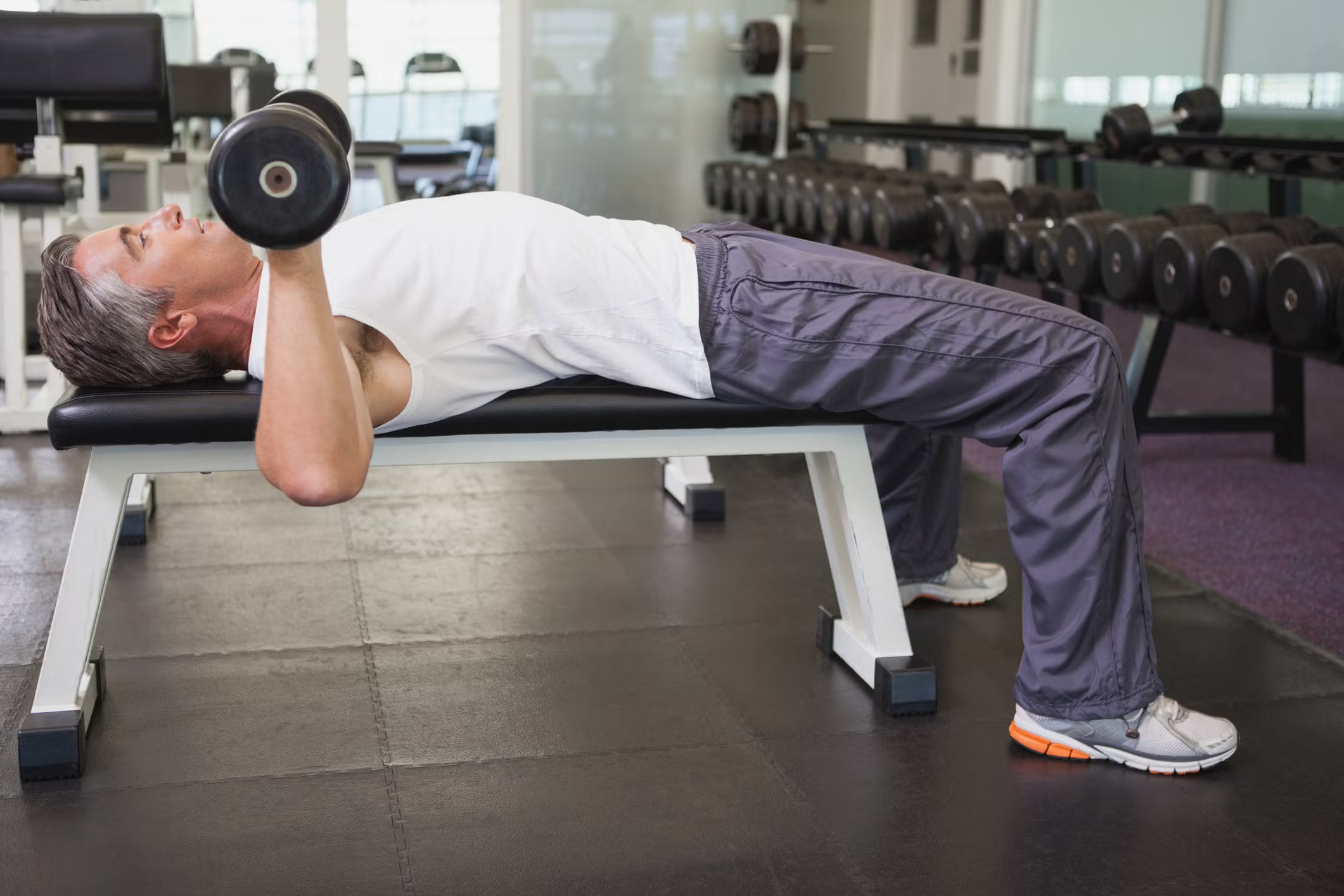
For men over 50, resistance training should no longer be viewed solely as exercise; it should be viewed as direct hormonal signaling.
If you want your body to know it needs to be strong and retain its youth, you have to challenge it with intensity. When you signal that need for strength, your body is compelled to respond by ramping up the production of muscle-building, fat-burning hormones, including testosterone. It is an evolutionary command.
The Science of the Signal and Metabolic Demand
Decades of research back this up. For instance, a 1998 study in Sports Medicine by Kraemer et al. clearly demonstrated that resistance training significantly elevates testosterone levels, and this benefit persists even in older adults. However, the mechanism is complex and powerful.
The immediate T-spike post-workout is useful, but the long-term benefit is the crucial element. Heavy lifting helps you build and maintain metabolically active muscle mass. Why is this important for hormones? Increased body fat, particularly the deep visceral fat around the abdomen, is metabolically harmful because it contains high levels of the aromatase enzyme. This enzyme actively converts testosterone into estrogen. Maintaining muscle mass and reducing visceral fat is a powerful, long-term defense against losing testosterone to estrogen conversion. By maintaining more muscle, you create a more favorable hormonal environment.
Your 50+ Training Strategy: The Focus on Progressive Overload
To maximize your natural T output, you need to focus on quality over quantity and, critically, progressive overload. This means you must continually challenge your muscles by gradually increasing the weight, repetitions, or volume of your workouts. If you lift the same 100 pounds for 10 reps every week for six months, your body adapts and the hormonal stimulus drops off entirely. You must always chase a new threshold.
1. Compound Movements Are King (The 80/20 Rule):
The movements that involve the most muscle mass simultaneously are the biggest T-boosters because they place the highest metabolic demand on your system. You want to focus 80% of your time on “big bang” exercises:
- Squats (or Leg Press/Hack Squat): Target your massive quadriceps, hamstrings, and glutes. Since the legs contain the largest muscle groups, squatting activates the highest hormonal response.
- Deadlifts (or Rack Pulls/Trap Bar): Hits nearly every muscle in the body, from your calves to your neck, improving structural strength and posture.
- Bench Press/Overhead Press: Essential for upper body power and shoulder health. Focus on proper rotator cuff prehab to keep your shoulders healthy in your 50s.
- Rows/Pull-ups: To balance out all the pressing motions and ensure comprehensive back strength, which prevents injury and improves posture.
2. Intensity and Volume (The Rep Range):
Don’t worry about endless sets with light weights. For T-optimization, you need to lift heavy—challenging enough that you can only manage 5 to 10 repetitions before needing to stop. This is the sweet spot that maximizes both muscle strength and size, sending the strongest signal for hormone release. Rest periods should be kept to 60-90 seconds between sets to maintain high metabolic stress. A short, incredibly intense workout (around 45–60 minutes) is far superior to a two-hour low-intensity effort.
3. Strategic Recovery (Preventing Overtraining):
Testosterone is produced and utilized during recovery, not during the workout itself. Overtraining, especially when combined with insufficient calories, spikes your stress hormone, cortisol, which is a direct T-suppressor. Aim for three to four solid, challenging resistance training days a week, and fill the other days with active recovery like walking, mobility work, or low-intensity cardio. Your nervous system needs time to bounce back, too—listen to your body. If you feel perpetually exhausted, pull back the intensity and ensure you are eating and sleeping enough.
Integrating High-Intensity Interval Training (HIIT)
While chronic, long-distance, steady-state cardio can raise cortisol and potentially lower T, short, sharp bursts of effort are beneficial. HIIT involves alternating periods of maximum effort (30-60 seconds) with short, active rest periods (1-2 minutes). A 15-20 minute HIIT session—perhaps sprints on a stationary bike, rowing machine, or a brisk hill climb—can significantly improve insulin sensitivity. Since improved insulin health is strongly correlated with higher free testosterone (as it helps regulate SHBG), adding 1-2 HIIT sessions a week is a powerful strategic move for hormonal health.
Pillar 2: The Non-Negotiable Power of Sleep
I know, you’re a busy man. Your career, family, and hobbies demand your attention. But if you are habitually cutting your sleep short, you are effectively turning off your natural testosterone factory and ensuring your resistance training is less effective.
Sleep is when the magic happens.
Why Sleep is Hormone Heaven: The 10-15% Drop
Your body has a built-in rhythm, and your T production is tightly scheduled within it. Most of your daily testosterone is manufactured and released while you are in a deep sleep state, specifically during the later hours of the night leading up to waking. The pituitary gland’s release of Luteinizing Hormone (LH), which signals the testes to start producing T, is pulsatile and peaks during the deepest parts of your rest cycle.
The critical research here is non-negotiable. The 2011 study published in JAMA found that otherwise healthy young men who were restricted to just 5 hours of sleep per night for one week experienced a massive 10–15% drop in their circulating testosterone levels. If that kind of restriction causes a double-digit drop in young men, imagine the compounding impact it has on us after 50, where we already face natural decline.
Think of it this way: losing two hours of sleep is like automatically accepting a 10-15% reduction in the hormone that keeps you strong, motivated, and lean. This is why even a few nights of poor sleep can leave you feeling sluggish, irritable, and craving high-sugar foods (another T-killer).
Actionable Sleep Strategy: Mastering Sleep Hygiene
- Target 7 to 9 Hours—No Exceptions: For optimal hormonal health, aim for a consistent minimum of 7 hours, striving for 8 whenever possible. Treat your sleep schedule like a critical business appointment you can’t miss.
- Keep It Consistent: Go to bed and wake up around the same time, even on weekends. This consistency anchors your circadian rhythm, optimizing the natural timing of hormone release. This regularity helps ensure you hit the deep, restorative NREM and REM sleep stages, where repair and production are highest.
- The “Cave” Environment: Ensure your bedroom is completely dark, cool ($60^\circ$F to $67^\circ$F is ideal), and quiet. Darkness is essential for melatonin production, and cooler temperatures promote deeper, less interrupted rest. Use blackout curtains and consider an eye mask.
- Implement a “Power-Down” Routine: Stop using phones, tablets, and laptops at least an hour before bed. The blue light emitted by screens suppresses melatonin, making it harder to fall into deep sleep. Switch to reading a physical book, listening to quiet music, or journaling.
- Limit Evening Stimulants: Avoid caffeine after 2 PM. Limit alcohol intake significantly, particularly in the hours leading up to bed. While alcohol might make you feel drowsy, it fragments your sleep architecture and suppresses the deep, restorative phases critical for T production.
Pillar 3: Fueling the Fire – Nutrition for T-Boosts
You literally build your hormones from the raw materials you eat. Your body can’t make gold from garbage. If you’re fueling your body with poor-quality fats, refined sugars, and inflammatory ingredients, you’re going to get a junky hormonal output.
The good news is that specific, simple nutritional choices can provide the necessary building blocks and signals to crank up your production efficiently.
The Role of Healthy Fats: Cholesterol is Your Hormone Precursor
Testosterone, like all steroid hormones, is synthesized directly from cholesterol. This means extreme low-fat dieting is detrimental to T-levels. Your body needs both saturated and unsaturated fats to function properly and produce hormones.
Focus on quality sources:
- Monounsaturated Fats: Olive oil, avocados, and almonds. These are excellent for cell health and reducing systemic inflammation.
- Saturated Fats (In Moderation): Found in red meat, egg yolks, and butter. These should be consumed in reasonable amounts, as they provide essential cholesterol directly used in the steroid synthesis pathway.
- Omega-3 Fatty Acids: Found abundantly in fatty fish like salmon, mackerel, and sardines. Omega-3s are powerful anti-inflammatories, and by controlling inflammation, you create an optimal environment for hormone signaling.
Key Micronutrients: Zinc and Vitamin D – The Dynamic Duo
If you’re deficient in these two micronutrients, your T-levels will suffer, regardless of how much you lift. This is where most men miss the mark. Research published in Hormone and Metabolic Research (2006) shows a strong association between deficiencies in Zinc and Vitamin D and low testosterone.
- Zinc: Crucial for the release of Luteinizing Hormone (LH) from the pituitary gland. It also acts as an inhibitor to the aromatase enzyme—the enzyme responsible for converting T into estrogen. Adequate Zinc helps protect your testosterone.
- Sources: Oysters (the single best source by far), lean red meat (beef, lamb), pumpkin seeds, and legumes.
- Vitamin D: Often referred to as the “sunshine vitamin,” it’s actually a steroid hormone itself and plays a vital, direct role in T synthesis. Studies show that supplementing with Vitamin D, especially in men who are deficient (which is common, especially in winter or northern latitudes), can significantly increase total and free testosterone.
Sources: Consistent sun exposure (aim for 15-20 minutes mid-day, if possible), fatty fish, and a high-quality Vitamin D3 supplement (often recommended in the range of 3,000–5,000 IU daily for men over 50, but always consult your doctor for testing).
The Blood Sugar Connection (Insulin & SHBG)
Controlling your blood sugar is also a huge factor. Chronically high consumption of refined carbohydrates and sugars leads to persistent insulin resistance. When insulin is chronically high, it can negatively regulate Sex Hormone-Binding Globulin (SHBG). SHBG binds to free testosterone, making it biologically inactive. While low SHBG can sometimes look good on a lab report, it’s often a sign of poor metabolic health and insulin resistance. By maintaining a diet lower in refined carbs and sugars, you keep insulin stable, which helps regulate SHBG and ensures more of your available T is free and ready for action.
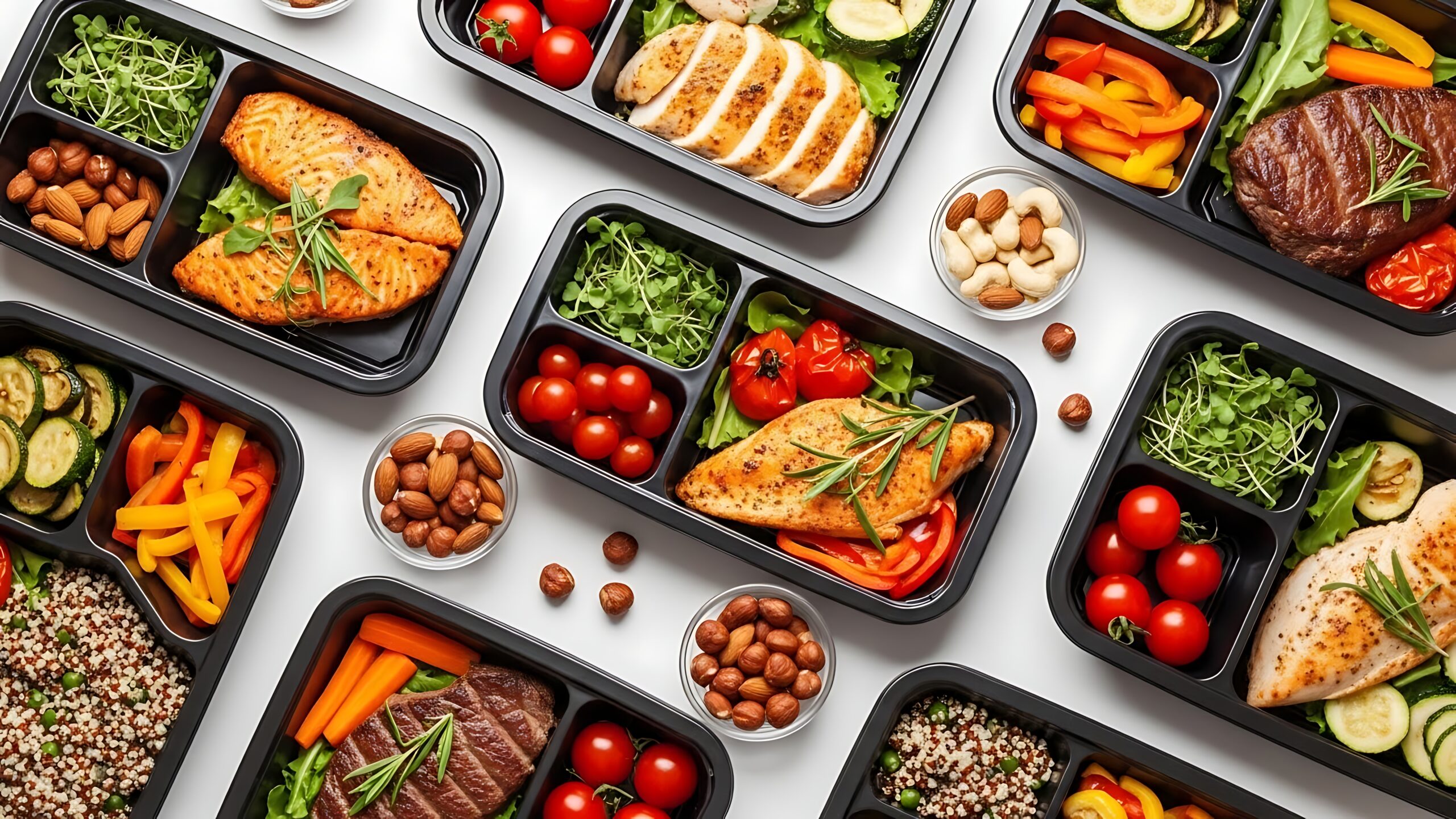
Top 10 Foods to Boost Testosterone Naturally
This is the actionable list every man needs—powerful T-boosting ingredients you can incorporate immediately.
| Rank | Food | Key Nutrient(s) | Key Hormonal Benefit |
| 1 | Oysters | Zinc, Selenium, B12 | Highest natural source of Zinc; vital for T production and estrogen management. |
| 2 | Fatty Fish (Salmon, Mackerel) | Vitamin D, Omega-3s | Reduces inflammation, provides T-precursor fats, and supplies Vitamin D. |
| 3 | Egg Yolks | Cholesterol, Vitamin D, Choline | Essential cholesterol source for T synthesis; nutrients promote overall hormonal balance. |
| 4 | Avocados | Monounsaturated Fats, Vitamin B6, Magnesium | Supports healthy cholesterol levels and hormone transport mechanisms. |
| 5 | Lean Beef | Zinc, Iron, High-Quality Protein | Dense source of T-building protein and bioavailable Zinc. |
| 6 | Pomegranate | Antioxidants (Polyphenols) | Studies suggest it lowers cortisol and improves blood flow, benefiting T function. |
| 7 | Extra Virgin Olive Oil | Monounsaturated Fats, Vitamin E | Protects Lydig cells (T-producing cells in the testes) from oxidative damage. |
| 8 | Ginger | Gingerols (Anti-inflammatory) | May help reduce oxidative stress in the testes and improve circulating T. |
| 9 | Spinach | Magnesium, Folate | Magnesium is critical for maximizing bio-available (Free) Testosterone by disrupting SHBG binding. |
| 10 | Brazil Nuts | Selenium | High in Selenium, which is essential for thyroid health and supports optimal T levels. |
This is the actionable list every man needs—powerful T-boosting ingredients you can incorporate immediately.
| Rank | Food | Key Nutrient(s) | Key Benefit |
|---|---|---|---|
| 1 | Oysters | Zinc, Selenium | Highest natural source of Zinc; vital for T production and anti-aromatase action. |
| 2 | Fatty Fish | Vitamin D, Omega-3s | Reduces inflammation and provides necessary Vitamin D and hormonal fats (Salmon, Mackerel). |
| 3 | Egg Yolks | Cholesterol, Vitamin D | Provides cholesterol (T precursor) and essential fat-soluble vitamins. |
| 4 | Avocados | Monounsaturated Fats, B6 | Healthy fat source; B6 helps regulate hormonal activity. |
| 5 | Lean Beef | Zinc, Iron, Protein | Dense source of T-building protein and the mineral Zinc. |
| 6 | Pomegranate | Antioxidants | May help reduce oxidative stress in T-producing cells and boost blood flow. |
| 7 | Olive Oil | Monounsaturated Fats | Supports overall hormonal health; studies show it can boost T (Extra Virgin). |
| 8 | Ginger | Anti-inflammatory | May directly support testicular health and reduce oxidative stress. |
| 9 | Spinach | Magnesium, Zinc | Magnesium is critical for maximizing bio-available (Free) Testosterone. |
| 10 | Brazil Nuts | Selenium | High in Selenium, a trace mineral involved in T synthesis and thyroid function. |
Pillar 4: The Stress Factor – Cortisol is the T-Killer
You can lift like a machine, sleep 9 hours, and eat the perfect diet, but if you are chronically stressed, your body will still sabotage your testosterone.
Why? The relationship between the stress hormone cortisol and testosterone is like a perfectly balanced seesaw: when one goes up, the other must go down. This physiological competition is known as the Pregnenolone Steal. Pregnenolone is the precursor molecule for all steroid hormones. When you are stressed, your body diverts this precious resource toward producing life-sustaining cortisol, stealing it away from the production line for sex hormones like testosterone.
In times of stress (real or perceived), your body prioritizes survival over everything else. High cortisol levels send a clear, evolutionary message: “We are in danger! Don’t waste resources on building muscle, maintaining libido, or reproducing.” This prioritization actively and powerfully suppresses testosterone production. Chronic, low-grade stress—often the reality for successful men in their 50s—is the silent T-killer.
Simple, Practical Stress Management Tactics
You don’t need to move to a mountaintop, but you do need to implement daily, non-negotiable habits that actively lower cortisol:
- Prioritize Walking (The Ultimate Regulator): A simple, 20-minute walk outdoors, especially first thing in the morning, naturally lowers cortisol by signaling a non-threatening, active environment. The exposure to sunlight helps regulate your circadian rhythm, setting a better baseline for hormone production all day.
- Mindful Breathing and Box Breathing: When you feel pressure, take a moment for five deep, deliberate breaths. Techniques like “Box Breathing” (inhale for 4, hold for 4, exhale for 4, hold for 4) activate the parasympathetic nervous system (the “rest and digest” system) and actively turn down the stress response. Practice this before meals, high-pressure meetings, or when transitioning home from work.
- The Power of Connection: Meaningful social connection is a powerful, science-backed stress buffer. Spending quality, focused time with friends, family, or your partner—away from the phone and work talk—releases oxytocin, which directly helps counteract the effects of cortisol.
- Find Your Outlet (Dedicated Hobbies): Whether it’s 15 minutes of quiet reading, playing an instrument, engaging in hands-on work in the garage, or simple meditation, find a non-work, non-screen activity that lets your brain disengage completely and enter a state of flow. This creates psychological recovery, which is just as vital as physical recovery from the gym.
- Adaptogens: Consider integrating adaptogens like Ashwagandha (under professional guidance). Studies show it can help regulate the cortisol response, making your body more resilient to stress and indirectly protecting your testosterone levels.
It’s Time to Reclaim Your Drive
The natural decline of testosterone after 50 is a physiological fact of life, but the resulting decline in your energy, physique, and drive is not inevitable.
By consistently challenging your body with heavy, intentional movements, prioritizing deep, restorative sleep, fueling your engine with healthy fats and the top 10 T-boosting foods, and actively implementing daily strategies to manage your chronic stress, you send a clear, powerful signal to your hormonal system: “I am strong, I am safe, and I need to thrive.”
This is the power of holistic, lifestyle-based hormone optimization. It costs nothing but consistency, and the rewards—feeling stronger, sharper, more motivated, and ready to tackle life with renewed vigor—are truly priceless. You’ve earned this next chapter of life. It’s time to make it your most energetic one yet.
I specialize in creating customized fitness and nutrition strategies that specifically support hormonal health for men over 50.
Ready to stop feeling held back by low energy and naturally reclaim your drive? Book your consultation today to learn how to personalize these steps for maximum impact.